It’s all about motorcycles…
North of 66
Into the Arctic
The Arctic Circle is internationally recognised as lying at latitude 66°33′ north of the equator, although its exact position technically shifts slightly from year to year. This section of my website, titled North of 66, documents my motorcycle journeys beyond 66° north and my crossings of the Arctic Circle.
My first Arctic Circle crossing by road on a motorcycle came in 2015. It began after I scrapped another trip during the planning stage—one that mixed motorcycles and cars while travelling around New Zealand, a setup that soon showed its flaws. Wanting something more challenging, I set my sights on a solo motorcycle journey instead.
My objective became riding the full length of the Dalton Highway in northern Alaska, a road made famous by the TV series Ice Road Truckers. As I researched this remote region, the potential challenges quickly became clear: encounters with black and grizzly bears, the risk of a breakdown or accident far from help, and the constant presence of massive American trucks charging along without slowing for anything. Those early realisations were more than a little intimidating.
During my research, I discovered a UK-based company called GlobeBusters, specialists in motorcycle adventure tours. Founded by Kevin and Julia Sanders—holders of a Double Guinness World Record™ for the fastest motorcycle circumnavigation of the world and the Trans-Americas ride—the company organised expeditions to some of the most remote places on earth. One of their flagship tours ran from Alaska to Patagonia, so I contacted their Cambridge headquarters to seek advice.
The meeting was invaluable. GlobeBusters agreed to let me join their Alaska leg, including the Dalton Highway, before I continued on alone. This gave my family enormous reassurance, knowing I would have professional support through the most challenging part of the trip.
Unfortunately, the 2015 GlobeBusters expedition was cancelled due to low participant numbers, taking my safety net with it. That didn’t stop me. Determined to go ahead, I committed to completing the journey independently and as safely as possible.
To ease my family’s concerns, I bought a DeLorme inReach satellite tracker so they could follow my progress in real time. It also let me send short satellite messages from anywhere in the world, without relying on mobile networks. With pre-set messages confirming the start and end of each riding day, they always knew I was safe.
Next came the gear. Working within a limited budget, I researched each purchase carefully to make sure I was getting the best quality I could afford, while reusing as much of my existing motorcycle kit as possible to keep costs down. Camping was unavoidable, and having not pitched a tent since my Boy Scout days, I had plenty to relearn.
Choosing the right motorcycle was critical. I needed something simple, robust, and repairable in remote locations. I settled on my BMW R80ST, which I was restoring after buying it from a friend who had left it unused in his garage for 11 years. The restoration was slow, with specialist engine work causing delays. As a result, the bike was flown out to Anchorage, Alaska, with far less testing than I would have liked—a decision that would later come back to haunt me.
The best part of this plan was that it had no set endpoint—I could ride as far and as long as I enjoyed it. Even so, I felt a sense of satisfaction knowing that, even if all I managed was a journey through Alaska and the completion of the Dalton Highway, the mission would still count as a success.
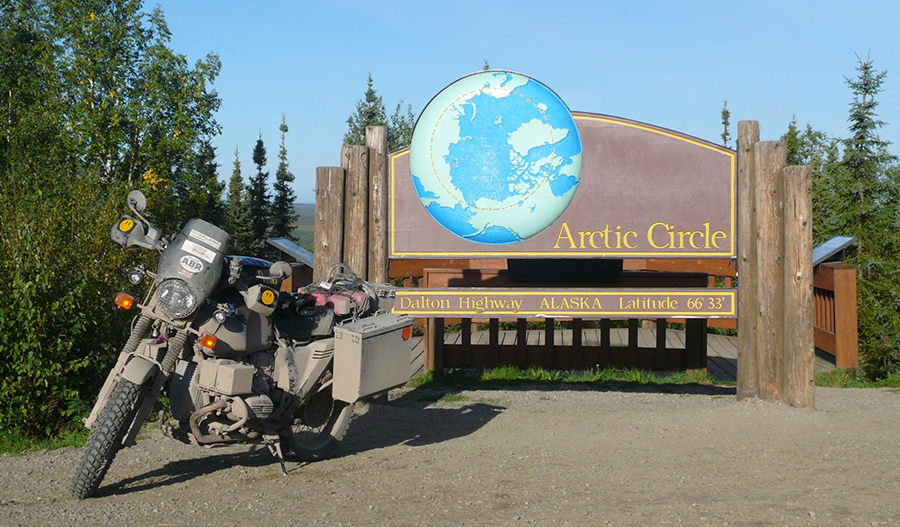
Alaska (click to view larger version)
Fortunately, I conquered the Dalton Highway, and when I rolled back into Fairbanks, Alaska, my next challenge awaited: the Top of the World Highway, leading north into the Yukon, Canada. As an added adventure, I crossed the Arctic Circle once more, this time along the remote Dempster Highway to Inuvik in Canada’s Northwest Territories—a moment that felt both familiar and extraordinary.
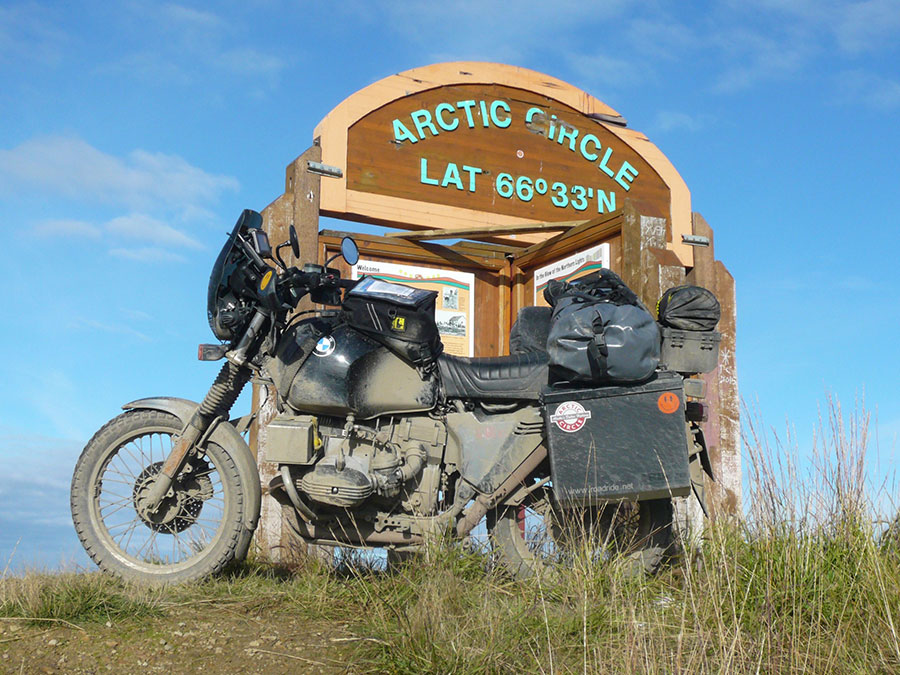
Canada (click to view larger version)
Riding on, I carried that momentum south through Canada and into the USA, reaching one of the world’s most legendary road trips—the Pacific Coast Highway. The curves, cliffs, and endless ocean offered a completely different kind of thrill. Yet the road still called, and I pressed east along part of Route 66, chasing the miles, the sun, and the unparalleled sense of freedom that only long-distance riding can bring. Finally, I arrived at the Southernmost Point Buoy in Key West, Florida—the iconic marker of the continental United States’ southern tip—a striking contrast to the icy extremes of the Arctic Circle where my journey had begun.
The adventure spanned 100 days. Many moments were incredible, some unforgettable for reasons both good and challenging, but every single one made the journey worthwhile. You can see the 'Alaska and On' blog here
Several years later, after many more miles on other adventure rides, I found myself reflecting on my 2015 journey. That reflection sparked a new challenge that immediately captured my imagination: how many countries could I cross the Arctic Circle on a motorcycle, by road? Only eight nations reach into the Arctic: the USA, Canada, Norway, Sweden, Finland, Russia, Iceland, and Greenland.
Greenland, however, with its sparse network of local roads, makes a road crossing of the Arctic Circle impossible—for now. For that country, I would need to find another way to traverse the frozen tundra.
That left seven countries where a road crossing was possible, and from that moment, my mind was set on riding my motorcycle to each of them to complete my Arctic Circle quest. I began planning a trip that would take me across the Arctic Circle four more times: through Norway, Sweden, and Finland, then back into Norway to ride up to the legendary North Cape (Nordkapp), Europe's northernmost point. From there, I had originally planned to cross into Russia at the northernmost land border between Norway and Russia.
However, with the outbreak of war in Ukraine in early 2022 and the UK government's official travel advice warning against visiting Russia, I decided to leave that part of the journey out. In 2022, armed with more experience in adventure riding and camping, I set out on this incredible solo journey. My motorcycle of choice was the BMW R1200GS. While its size and weight posed a challenge for my short 5’ 4” frame on a few tricky off-road sections, it made covering long distances far easier than my earlier rides in Alaska and Canada.
By the end of the trip, I had successfully completed three more Arctic Circle crossings by road in Norway, Sweden, and Finland.
View the 'Arctic' blog
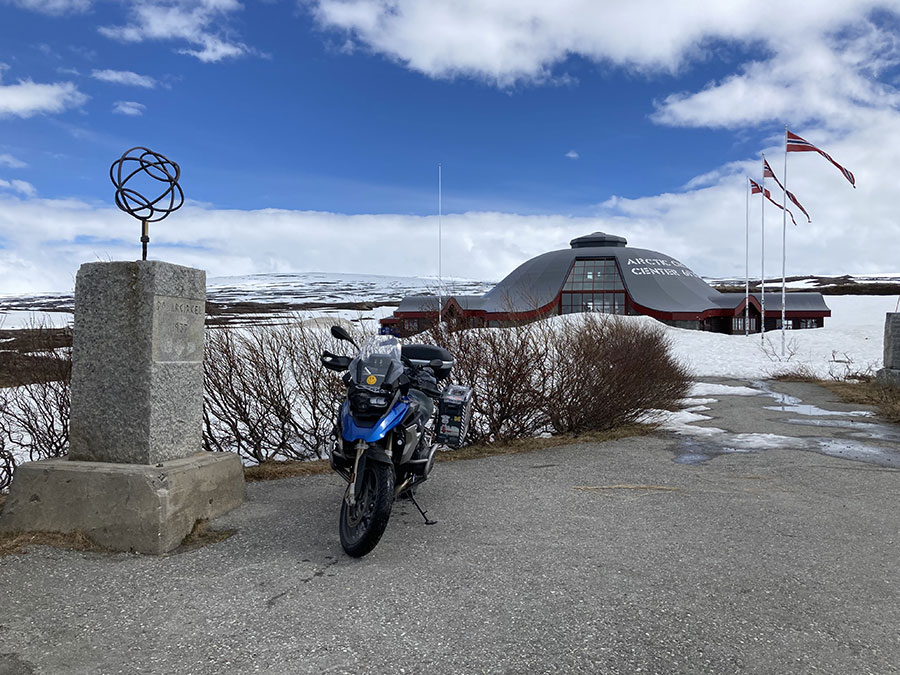
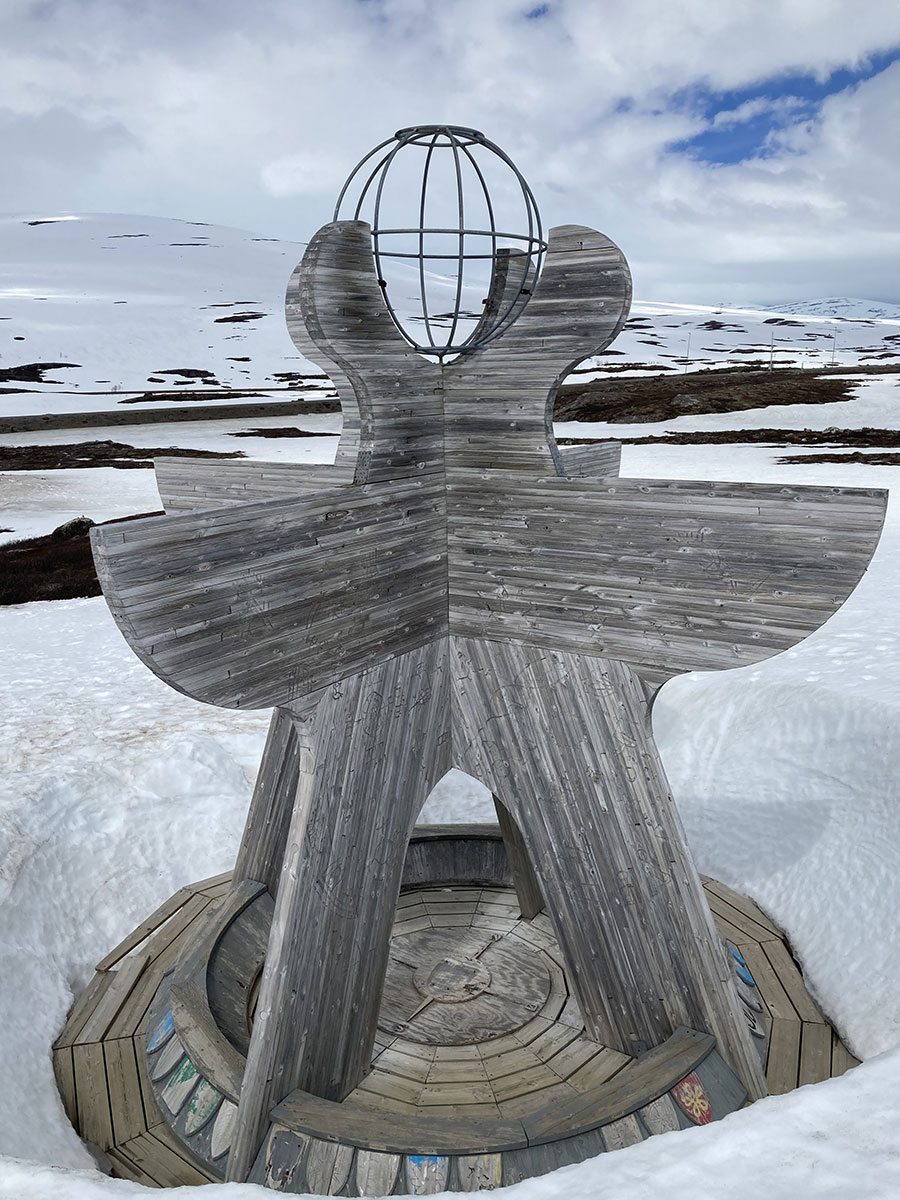
Norway (click to view larger versions)
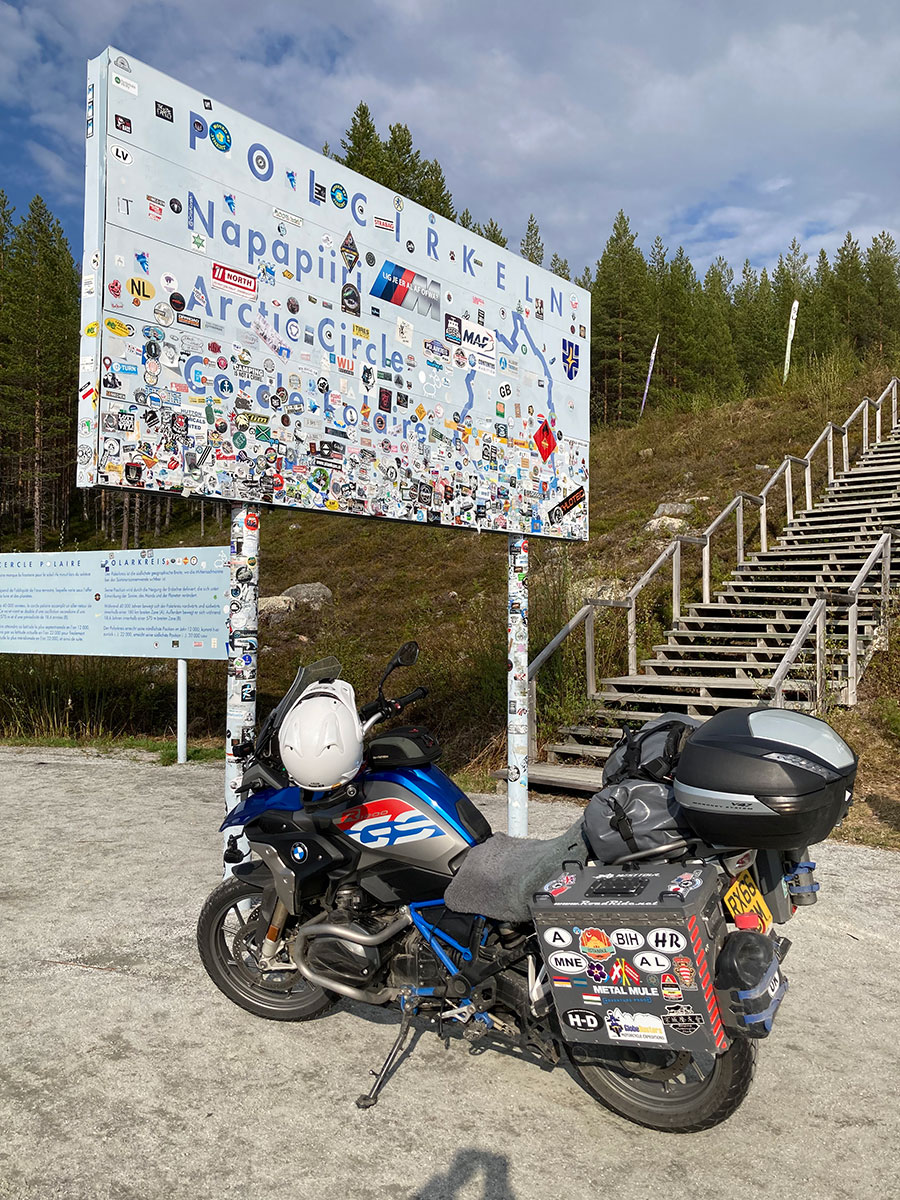
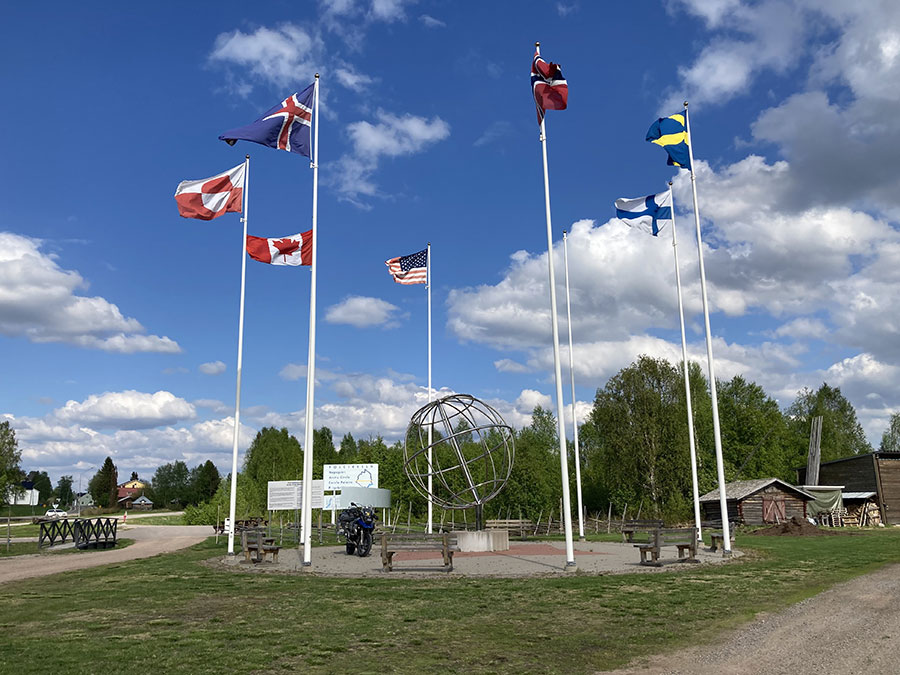
Sweden (click to view larger versions)
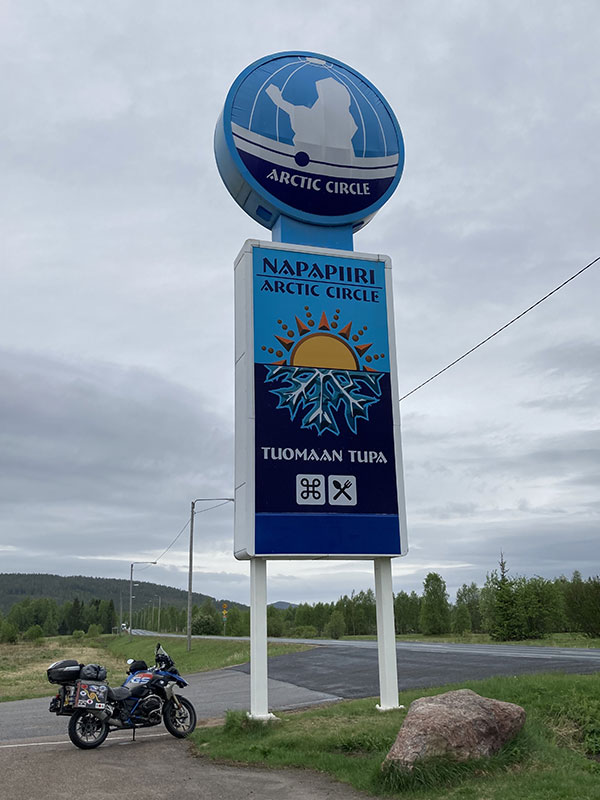
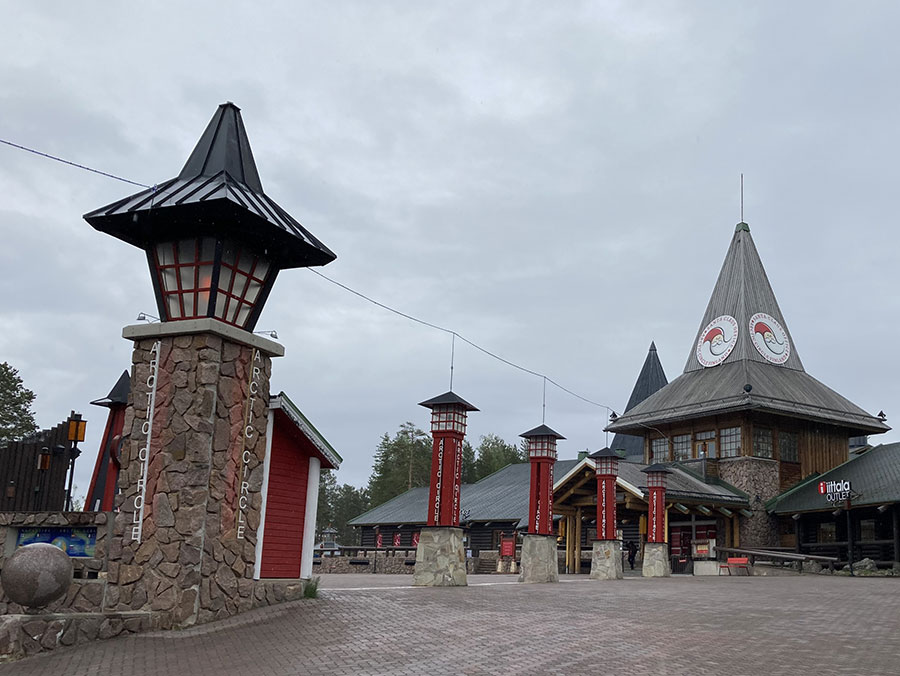
Finland (click to view larger versions)
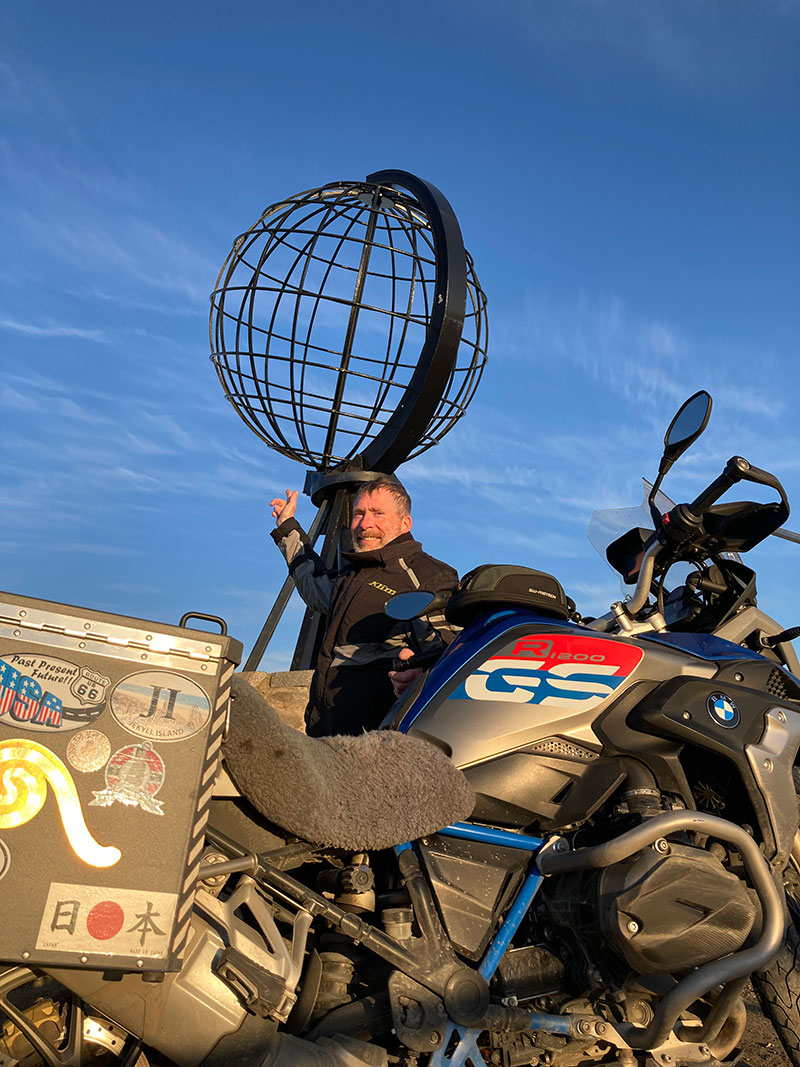
Nordkapp-Norway (click to view larger version)
Next on the list was Iceland. After further research, I discovered that the main island doesn’t actually extend into the Arctic—only Grimsey Island, just north of the mainland, crosses the Arctic Circle. I planned my visit accordingly, just before joining a group of riders touring the Icelandic mainland and since this ride involved much more off-road terrain, I opted for a smaller, lighter bike: a BMW G310GS.
The ferry to Grimsey Island is notorious for rough waters, and this crossing was no exception—I found myself reaching for the sick bag before even leaving the harbour! The journey lasted nearly four hours, and though I felt dreadful upon arrival, unloading the bike and taking the first short ride on the island brought instant relief.
I was still uncertain how far I was allowed to ride beyond the town roads. Online maps showed the track as technically a footpath, and knowing how strict Icelandic authorities can be—with hefty fines for venturing off official roads—I was understandably apprehensive.
After speaking with the landlady of my guesthouse, she reassured me that I could follow, but not stray from, the tractor track circling the island—the same route used to deliver food to the wild horses. She did, however, advise against riding that day due to the slippery conditions following recent heavy rain.
I heeded her advice and waited until the next day. After unloading all my luggage, I set off northbound along the designated, but still slippery, track until I reached the Arctic Circle marker—a unique, moving sculpture called Orbis et Globus (Latin for “Circle and Sphere”), designed to reflect the shifting position of the Arctic Circle.
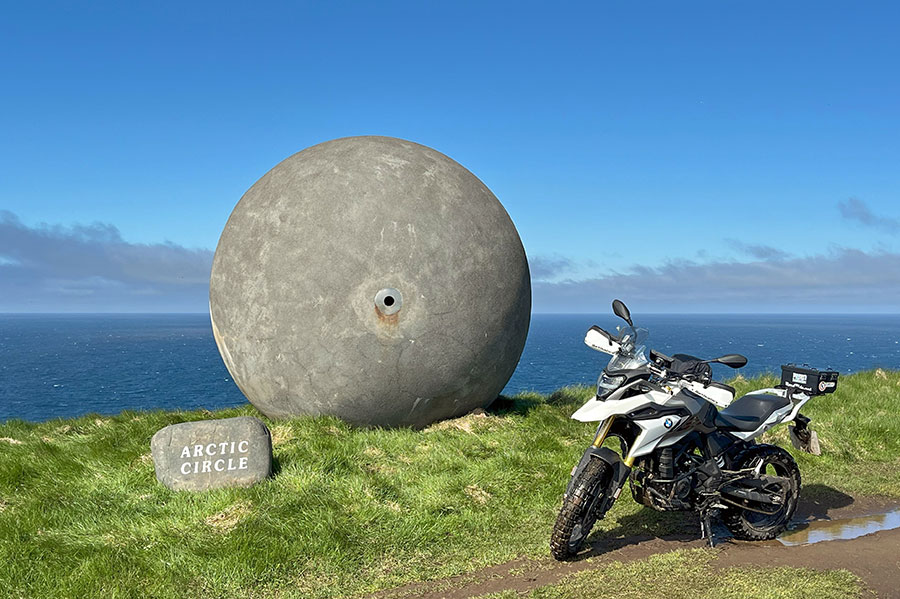
Iceland (click to view larger version)
After just three days on Grimsey Island, I made my way back, and thankfully, the waters were much calmer this time—turning the ferry crossing into a pleasant trip back to the mainland.
A few more days of solo riding followed before I joined the group and spent the next couple of weeks discovering Iceland’s incredible landscapes from the saddle.
And with that, my sixth Arctic Circle crossing by road on a motorcycle was complete. Here is the link to the 'Iceland' blog
In the end, I decided I couldn't wait for the Russia–Ukraine conflict to end before completing my final Arctic Circle crossing by road. After much careful consideration and meticulous planning, I had a strategy in place to complete this Arctic Circle crossing as safely as possible during these uncertain times. All that remained was to follow the plan and make the journey a success. Things didn't go entirely according to plan, but in July 2026 I successfully completed my final Arctic Circle crossing by road, making Russia the seventh country in which I had crossed the Arctic Circle. More information and blog link to follow soon.
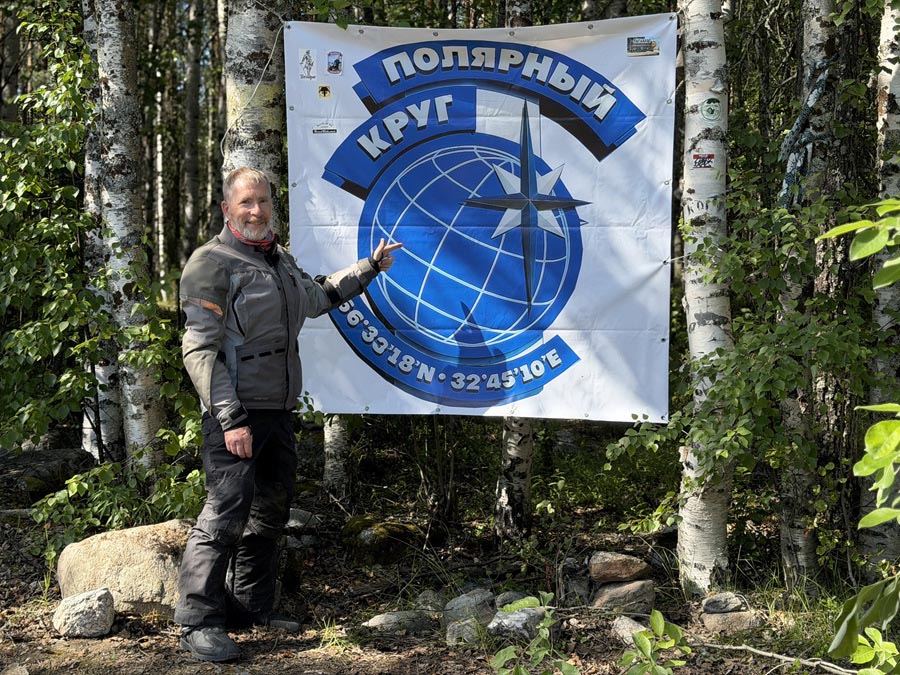
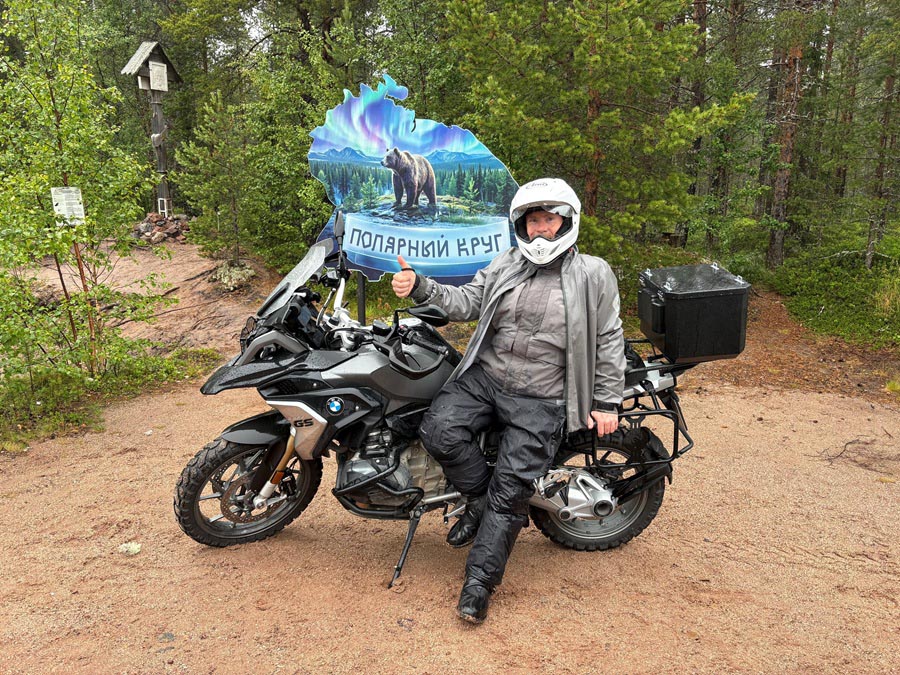
Russia (click to view larger versions)
So, that's my final Arctic Circle road crossing by motorcycle completed. The only remaining challenge is Greenland. Unfortunately, motorcycles have been banned there since the 1970s, so I'll have to find another way. At the moment, the most realistic options are a snowmobile in winter or an ATV during the summer. That would likely mean riding within the Arctic Circle rather than actually crossing it, which isn't quite the achievement I had originally set out to accomplish. For now, the search continues. I'm sure there's another solution out there—I just haven't found it yet.
For more information about the Arctic Circle, see here.